Roaring Bear Face Embroidery Design Review
As an experienced embroidery designer, I recently came across the Roaring Bear Face machine embroidery design and decided to evaluate it for potential use in a weekend craft fair booth. This review focuses on how well this design would translate into various handmade products, its visual appeal, and practical considerations for production.
First Impressions of Roaring Bear Face
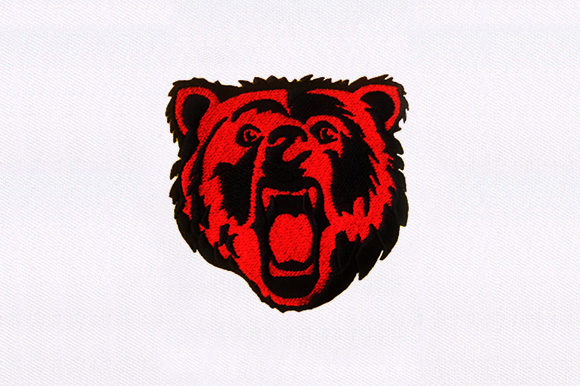
The Roaring Bear Face immediately stands out with its bold and dynamic presence. The title suggests a fierce yet playful character, which aligns perfectly with the wild animals category. The design feels both rustic and modern, making it versatile for different audiences. It’s not overly cute or too serious—just the right balance that can attract attention at a craft fair.
This design has a strong sense of character, and the bear's expression is clearly defined. It feels like a premium product that could elevate simple items into standout pieces. The use of contrasting thread colors in the file formats (like DST, PES, and JEF) ensures that the design will be visible even on darker fabrics, which is a huge plus for versatility.
Performance on Craft Fair Products
The Roaring Bear Face is a great fit for several craft fair products. Here's how it performs on various items:
- Tote Bags: The bear face works beautifully as a focal point on tote bags. Its size and detail make it a conversation starter, especially when paired with earthy tones or natural fabrics.
- Apron Embroidery: On aprons, the design adds a fun and whimsical touch. It's ideal for a farmhouse or rustic-themed booth.
- Tea Towel Embroidery: The bear face looks fantastic on kitchen towels, adding a decorative element that customers might find charming and useful.
- Embroidered Patch: As a patch, the Roaring Bear Face becomes a collectible item. It's perfect for small shop products and Etsy listings.
- Caps and Hats: When applied to caps, the design needs careful placement to avoid distortion due to curved surfaces. However, if done right, it can be a unique selling point.
- Fabric Pouches: The bear face can be used as an accent on fabric pouches, giving them a personalized and handmade feel.
- Pillow Covers: On pillow covers, the design adds a bold statement piece that can easily catch the eye in a booth setting.
- Market Bags: Similar to tote bags, the bear face on market bags can serve as a brand identifier or a thematic element.
- Handmade Gifts: Whether on keychains, coasters, or other gift items, the design brings a unique flair that can increase perceived value.
- Booth Samples: A real mockup using the Roaring Bear Face can help attract customer interest by showcasing the design's quality and appeal.
- Etsy Listings: High-quality photos of the Roaring Bear Face on finished products can significantly improve online visibility and sales for Etsy sellers.
- Commercial Embroidery: With multiple file formats available, this design is ready for commercial use, provided proper licensing is confirmed.
Practical Selling and Production Points
The Roaring Bear Face is easy to understand at a glance, which is crucial for attracting customers quickly at a craft fair. It works well as a large focal design but can also be scaled down as an accent, depending on the product. For example, a smaller version of the bear face could work nicely on a patch or a keychain.
Photographically, the design shines in online listings. Its clear lines and bold features translate well into images, making it ideal for printable mockups and digital marketing materials. It's repeatable for batch production, provided the stitch density and fabric type are carefully considered.
However, there are some careful-use notes. Dense stitch areas may require additional stabilizer to prevent puckering. Tiny details or small lettering should be checked for clarity, especially if scaling down the design. Thick fabric or textured towels may affect the final look, so testing on scrap fabric is essential before full production.
Visual Appeal and Customer Engagement
The Roaring Bear Face significantly enhances the visual appeal of any product it's applied to. Its boldness captures attention, while its versatility allows it to fit into various themes, from rustic to modern. Customers are likely to notice it quickly, especially in a crowded craft fair setting.
This design can elevate the perceived value of handmade products, making them more attractive to buyers looking for unique and high-quality items. It also helps maintain brand consistency if used repeatedly across different products. The overall effect is a stronger booth display and increased buyer engagement.
Embroidery Designer Notes
Before producing finished products with the Roaring Bear Face, here are some practical steps to consider:
- Test on Scrap Fabric: Always test the design on scrap fabric to check how it looks and feels before committing to full production.
- Check Thread Contrast: Ensure that the thread colors used match the fabric color to maintain clarity and vibrancy.
- Review Spacing: Make sure the design spacing is appropriate for the intended product to avoid overcrowding or underutilizing space.
- Confirm Hoop Size: Use the correct hoop size for your machine to ensure accurate stitching.
- Inspect Stitch Density: Check for dense stitch areas that may require additional stabilizer or adjustments.
- Use the Right Stabilizer: Choose a stabilizer that matches the fabric texture to prevent puckering or distortion.
- Create a Real Mockup: Creating at least one real mockup will give you a better idea of how the design looks in person.
- Compare Fabric Colors: Different fabric colors can change the appearance of the design, so compare options before finalizing.
- Confirm Commercial Licensing: Always confirm commercial licensing terms before selling finished products to avoid legal issues.
In conclusion, the Roaring Bear Face is a strong addition to any craft fair or handmade market lineup. With its bold character and versatility, it can transform simple products into standout items that capture customer attention and drive sales. Just remember to test, adjust, and ensure quality before production to maximize its impact.