Fork and Knife Embroidery Design Review
First Impressions: A Kitchen-Ready Statement
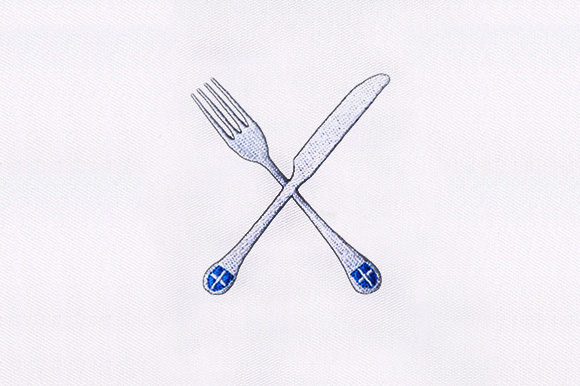
At first glance, the Fork and Knife machine embroidery design feels bold yet approachable. It carries a subtle kitchen theme without being too literal, which makes it versatile for multiple product types. The imagery is clean, with sharp lines and a slightly modern edge that leans into farmhouse or rustic aesthetics. It’s not overly cute or whimsical, so it works well for both casual and premium handmade products.
This design immediately stands out as something that would work well on craft fair products like aprons, tea towels, and market bags. Its clarity and simplicity make it easy to recognize from a distance, which is key when trying to attract attention at a busy booth.
Performance on Various Craft Fair Products
The Fork and Knife design has strong potential across a range of items. Here's how it performs on different handmade products:
- Tote Bags: The design sits well on larger surfaces, making it a great focal point. It adds a touch of personality without overwhelming the bag’s overall look.
- Apron Embroidery: Perfect for adding a functional and decorative element to aprons. It complements kitchen-themed aprons especially well.
- Tea Towel Embroidery: Works beautifully on cotton or linen tea towels, where the fabric texture allows the stitches to show off clearly.
- Embroidered Patches: As a small accent, it looks sharp and can be used on denim jackets, backpacks, or even as standalone patches.
- Caps and Hats: Needs careful placement due to curved surfaces, but with the right stabilizer and hoop size, it can be made to look crisp and professional.
- Fabric Pouches: Adds a nice visual punch to small pouches used for storing utensils, spices, or kitchen tools.
- Pillow Covers: Offers a subtle nod to kitchen themes while maintaining an elegant appeal.
- Market Bags: Great for reinforcing the utility of the bag with a design that speaks to its purpose.
- Handmade Gifts: Ideal for creating unique, personalized items that stand out in Etsy listings or small shop product ranges.
- Booth Samples: Can be used to create high-quality mockups that draw in buyers looking for quality commercial embroidery.
- Printable Mockups: Translates well to digital formats, helping Etsy sellers showcase their designs before production.
Practical Selling and Production Considerations
The Fork and Knife design is easy to understand at a glance, which is crucial for attracting attention at a craft fair. It functions well as both a small accent and a large focal design, depending on the product and placement.
When photographing the design for online listings, it shows up clearly, especially on light-colored fabrics. However, care should be taken with dark fabrics, as thread contrast may need adjustment to maintain visibility.
The design is repeatable for batch production, provided the embroidery file is tested on scrap fabric first. This ensures that stitch density and spacing are optimized for the intended fabric type and hoop size.
Careful-Use Notes for Optimal Results
To ensure the best results with Fork and Knife, consider these practical notes:
- Dense Stitch Areas: Avoid overloading the design on thick or textured fabrics where dense stitching might cause puckering.
- Tiny Details: While the design doesn’t have intricate details, ensuring proper spacing between elements is important for clarity.
- Small Lettering: Not applicable here, but always check if lettering is legible at smaller sizes.
- Thick Fabric: Use a stabilizer to prevent shifting during embroidery, especially on materials like canvas or denim.
- Curved Surfaces: For caps or rounded items, test the design on a similar surface to confirm fit and alignment.
- Dark Fabrics: Choose thread colors that provide good contrast to avoid losing the design’s impact.
- Smaller Sizes: If scaling down, review the design to ensure all elements remain recognizable.
Visual Appeal and Booth Display Strength
The Fork and Knife design enhances the visual appeal of any product it’s applied to. It brings a sense of purpose and function to items like aprons and market bags, which helps elevate their perceived value. As a small shop product, it supports brand consistency by offering a cohesive motif that can be repeated across different items.
At a craft fair, this design can become a conversation starter—buyers often notice the cleverness of using kitchen utensils as motifs. It also contributes to stronger booth display strength by offering a consistent theme across various handmade items.
For handmade quality and buyer engagement, the design encourages customers to pause and appreciate the detail, increasing the likelihood of a sale.
Design Tips for Embroidery Professionals
Before producing finished products with Fork and Knife, follow these steps:
- Test on Scrap Fabric: Always test the design on a sample piece to check stitch density and fabric compatibility.
- Check Thread Contrast: Ensure the thread colors match or complement the fabric color for optimal visibility.
- Review Spacing: Confirm that all elements are spaced correctly for the intended fabric and hoop size.
- Confirm Hoop Size: Make sure the design fits within your chosen hoop size to avoid distortion.
- Inspect Stitch Density: Adjust if necessary to prevent fabric puckering or thread breakage.
- Use the Right Stabilizer: Especially important for stretchy or thick fabrics.
- Create a Real Mockup: This gives you a tangible idea of how the final product will look.
- Compare Fabric Colors: Test the design on different fabric shades to see how it translates visually.
- Confirm Commercial Licensing: Always verify that the digital embroidery file is licensed for commercial use before selling finished products.
With the right preparation, the Fork and Knife design can become a standout addition to your craft fair collection, offering both aesthetic appeal and practical value for your handmade products.